
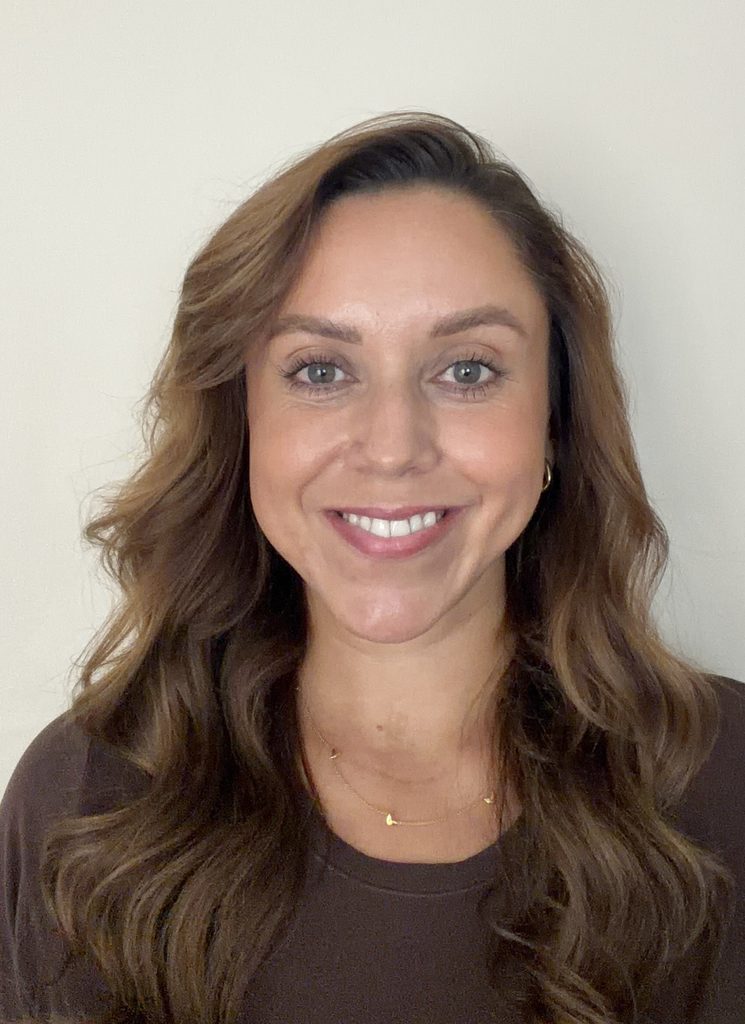
Registered Dance Movement Psychotherapist (RDMP)
Dance Movement & Creative Arts Psychotherapy for Children & Young People
I am a Registered Dance Movement Psychotherapist (RDMP) and have been practising therapeutically with children and young people for over 10 years.
My work incorporates Dance Movement Psychotherapy and a wide range of creative arts approaches, offering children and young people different ways to explore and communicate their thoughts, feelings and experiences.
My approach is relational, creative and responsive to the individual child or young person. I believe that developing a safe and trusting relationship is at the heart of therapy, particularly when children have experienced difficulties within relationships or have found it hard to feel understood by the adults around them.
Children and young people don’t always communicate through words — and sometimes words simply aren’t enough.
I pay close attention to what a young person may be expressing through movement, behaviour, play, art and creativity, as well as the things they make and what they choose to tell me. This can help us begin to understand experiences and feelings that may otherwise be difficult to express.
How I Work
Dance Movement & Creative Arts Psychotherapy doesn’t mean that a child has to dance, or that they need to consider themselves artistic or creative.
Sessions might involve movement, drawing, painting, music, role or small world play, imagery, storytelling, imagination or talking. Sometimes several of these naturally come together within a session.
What matters is finding ways of working that feel comfortable and meaningful for the individual young person.
Some children do want to talk. Others communicate much more through what they do, move, play, create or show me. My role is to be curious and attentive to all of those different ways of communicating.
My working style is warm, playful and creative, and humour often finds its way into my work. Therapy can involve difficult feelings and experiences, but it doesn’t have to feel serious or intense all of the time. Feeling comfortable, having fun and experiencing moments of connection can be an important part of developing a therapeutic relationship too.
Trauma, Attachment & Relationships
I have particular experience of working with children and young people affected by attachment difficulties, developmental trauma and difficult early experiences.
When children have experienced relationships that have felt unsafe, unpredictable or disrupted, those experiences can influence how they understand themselves, other people and the world around them.
Sometimes this can be seen through behaviour. Sometimes through relationships, emotional regulation, movement, play or creative expression.
Rather than focusing simply on changing behaviour, I am interested in understanding what the child may be communicating through it and what might be happening underneath.
Therapy provides an opportunity to develop a different kind of relationship — one in which the child or young person can gradually experience safety, consistency, curiosity and acceptance.
Adoption & Developmental Trauma
A significant part of my work has involved providing specialist therapeutic support to adopted and looked-after children and young people, alongside my private practice.
I understand that experiences of early separation, loss, disrupted attachment and developmental trauma can continue to influence children long after their circumstances have changed.
Dance Movement & Creative Arts Psychotherapy can provide different ways of exploring these experiences, particularly when a child cannot, or does not want to, explain everything through words.
Where adoption-related therapeutic work requires commissioning through the appropriate adoption support pathway, this is arranged in partnership with the relevant local authority or adoption service.
Neurodiversity
I have extensive experience of working with autistic children and young people, those with ADHD and other neurodivergent presentations.
I adapt therapy around the individual young person rather than expecting them to adapt themselves to a particular ‘way’ of therapy.
Movement, play and creative expression can provide additional ways for a young person to communicate, regulate and engage in therapy in ways that feel natural and accessible to them.
I am interested in understanding their experience of the world — what they enjoy, what overwhelms them, how they communicate, what helps them feel safe and how we can build a therapeutic relationship that works for them.
Working With Parents & Carers
Although my therapeutic work is primarily with the child or young person, I recognise how important the adults around them can be.
I provide structured feedback to parents and carers, while maintaining appropriate therapeutic boundaries and respecting the young person’s privacy.
Where it is therapeutically helpful, I may also involve parents or carers within sessions.
This can help adults develop a greater understanding of what their child may be communicating and support the relationships around the child as part of the therapeutic process.
My Background
Before qualifying as a Dance Movement Psychotherapist, I studied Performing Arts and went on to work within primary and secondary education, supporting children and young people.
That experience gave me an understanding of children and young people’s lives beyond the therapy room, including the demands of school, relationships with peers and adults, and the different ways emotional difficulties can present within an educational environment.
I went on to complete my Master’s degree in Dance Movement Psychotherapy and became a Registered Dance Movement Psychotherapist (RDMP).
Over the past decade, I have worked therapeutically in a variety of settings alongside specialist adoption work, developing considerable experience and knowledge in working with children and young people with a wide range of needs.
Throughout that time, creative arts have become an integral part of my therapeutic practice, alongside my Dance Movement Psychotherapy training and relational approach.
Where I Work
I offer face-to-face appointments from our Nottingham therapy space on Tuesdays, Wednesdays and Fridays.
If you’re considering therapy for your child or young person, we can talk with you about what is happening and whether my approach might be a good fit for them.